Posts

Astrology in Different Cultures: A Fascinating Journey Through Time and Space

Image
 Astrology is a universal language that transcends cultures and epochs, offering unique insights into the human experience. While the core idea of astrology—interpreting celestial movements to understand human affairs—remains constant, each culture has developed its own distinct system. In this blog, we'll explore the rich tapestry of astrological traditions from around the world, including Western astrology, Vedic astrology, Chinese astrology, and Indigenous astrological practices. Western Astrology Origins and Development Western astrology traces its roots back to ancient Mesopotamia, with the Babylonians laying the groundwork around 2,000 BCE. The Greeks later refined these concepts, and figures like Ptolemy in the 2nd century CE formalized them in works such as the "Tetrabiblos." Western astrology spread throughout the Roman Empire and, eventually, Europe, evolving into the system we recognize today. FOR MORE INFO...  Best online astrologer Key Features Zodiac Signs :...

The Astrological Benefits of Wearing Black Thread on the Leg

Image
In the realm of Vedic astrology, the practice of wearing black thread on the leg holds significant symbolic and practical meaning. This ancient tradition is believed to offer protective benefits and address certain astrological imbalances. The Significance of Black Thread in Vedic Astrology Black is considered a powerful color in Vedic astrology, often associated with the planet Saturn (Shani). Saturn is known as the planet of discipline, responsibility, and patience, but it can also bring challenges, obstacles, and delays. Wearing black thread is thought to harness the protective and stabilizing influence of Saturn. FOR MORE INFO... Top Astrology Services When to Wear Black Thread on the Leg According to Vedic astrological principles, there are specific circumstances when wearing black thread on the leg can be beneficial: 1. Shani Dosha (Saturn's Influence):  If your birth chart indicates a strong or unfavorable placement of Saturn, wearing black thread on the leg can help mitigat...

The Benefits of Watering Plants in Vedic Astrology

Image
In Vedic astrology, the practice of watering plants is believed to have profound spiritual and practical benefits. This ancient Indian tradition views the natural world as deeply interconnected with the cosmos, and caring for plants is seen as a way to align oneself with the rhythms of the universe. Benefits of Watering Plants One of the primary benefits of watering plants is that it is said to positively influence the planets and stars. According to Vedic principles, the earth and all living things on it are connected to the celestial bodies above. By tending to plants with care and intention, we can harness the astrological energies to improve our own lives and the world around us. FOR MORE INFO...  Best online astrologer Specifically, watering plants is thought to appease the planet Saturn (Shani). Saturn is often associated with challenges, delays, and hardship, but by honoring this planet through caring for greenery, we can mitigate its more difficult influences. Regularly wat...

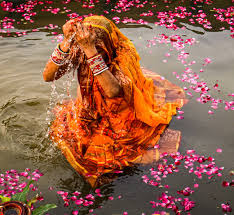
The Sacred Ritual of Ganga Snan in India: Purification and Spiritual Renewal

Image
India, with its rich tapestry of cultural and spiritual practices, holds the River Ganga (Ganges) in the highest reverence. Known as Ganga Mata (Mother Ganga), the river is considered a goddess in Hinduism, symbolizing purity, holiness, and life itself. One of the most significant rituals associated with this sacred river is the Ganga Snan, a holy dip believed to purify the soul and wash away sins. This blog explores the spiritual significance, traditions, and the profound impact of Ganga Snan on devotees. Historical and Mythological Significance The River Ganga is deeply entwined with Hindu mythology and history. According to legend, Ganga descended from the heavens to Earth through the matted locks of Lord Shiva, making her journey from the divine to the terrestrial. This mythological event is celebrated in various texts, including the Mahabharata and the Puranas, underscoring her importance in Hindu cosmology. FOR MORE INFO... Top Astrology Services Spiritual Importance of Ganga Sna...

Understanding Kalsarp Dosh: Myths, Realities, and Remedies

Image
Astrology has been a guiding light for many throughout history, offering insights into our lives and destinies through the stars. One such astrological phenomenon that often raises concern is Kalsarp Dosh. This blog aims to demystify Kalsarp Dosh, explore its implications, and provide practical remedies for those affected. What is Kalsarp Dosh? Kalsarp Dosh is a unique astrological condition in Vedic astrology. It occurs when all seven planets (Sun, Moon, Mars, Mercury, Jupiter, Venus, and Saturn) are positioned between Rahu (the North Node of the Moon) and Ketu (the South Node of the Moon) in a natal chart. This configuration is believed to create a range of challenges and obstacles in an individual's life. FOR MORE INFO...  Best online astrologer Types of Kalsarp Dosh There are twelve types of Kalsarp Dosh, each named after a specific type of snake and associated with different aspects of life: Anant Kalsarp Dosh: Affects family and happiness. Kulik Kalsarp Dosh: Impacts health...

Who is Rahu? Discovering the Mystery Planet in Vedic Astrology

Image
 Vedic astrology, also known as Jyotish, is a vast and intricate system that delves into the cosmic influences on human life. Among the nine celestial bodies, or "Navagrahas," that play a crucial role in Vedic astrology, Rahu stands out as one of the most enigmatic and intriguing. Unlike the visible planets, Rahu is a shadow planet, embodying unique and complex energies. This blog explores the origins, significance, and impact of Rahu in Vedic astrology. The Mythological Origins of Rahu Rahu's story begins with a fascinating legend from Hindu mythology. During the churning of the ocean (Samudra Manthan), gods and demons were vying for the nectar of immortality. Disguised as a god, the demon Svarbhanu managed to consume some of the nectar. However, the sun and moon alerted Lord Vishnu, who swiftly decapitated the demon. The demon's head became Rahu, while the body became Ketu, another shadow planet. Both were granted immortality, and their influence continues to be fel...

What is Rahu Kaal? Understanding the Unlucky Time of Day

Image
In the rich and ancient tradition of Vedic astrology, certain periods of the day are considered more auspicious than others. Among these, Rahu Kaal stands out as a particularly inauspicious time. Whether you're new to astrology or looking to deepen your understanding, this guide will help you grasp the significance of Rahu Kaal and how it impacts daily life. What is Rahu Kaal? Rahu Kaal, also known as Rahu Kalam, is a specific time segment each day that is ruled by Rah u, one of the nine celestial bodies in Vedic astrology. Unlike the physical planets, Rahu is a shadow planet, representing the head of a serpent in Hindu mythology. This period is deemed unfavorable for initiating new ventures, making important decisions, or undertaking significant activities. FOR MORE INFO...  Best online astrologer The Mythical Origin of Rahu In Hindu mythology, Rahu was once a demon who, disguised as a god, consumed a portion of the nectar of immortality. The sun and the moon exposed him, leading ...